Skip to content
Australian hospital readiness courses

Prepare for the shift before you step onto the ward.

Practical, Australian-focused courses for international medical graduates preparing for supervised hospital work. Build your ward foundations, strengthen medication-charting safety and prepare for emergency and general medicine practice.

Hospital-wide foundationsMedication charting safetyDepartment-specific preparation
Start here

Build the hospital-wide foundations first.

These two courses form the base of the programme. One explains the working day; the other focuses closely on a high-risk everyday task.

Australian hospital team working together on a ward
Core programme

Australian Hospital Readiness Course

AUD $29918 hours of CPD8-module pathwaySelf-pacedCase-based practice

A structured orientation to how a supervised junior doctor works through an Australian hospital day—from ward rounds and jobs lists to consults, deterioration, documentation and handover.

Prepare for the first day, ward round and after-hours workflow.
Document, consult, escalate and hand over with a clearer structure.
Recognise when local policy or senior support is required.
Course login

Individual course access is issued manually after payment confirmation. Sign in with the account provided to you.

View course
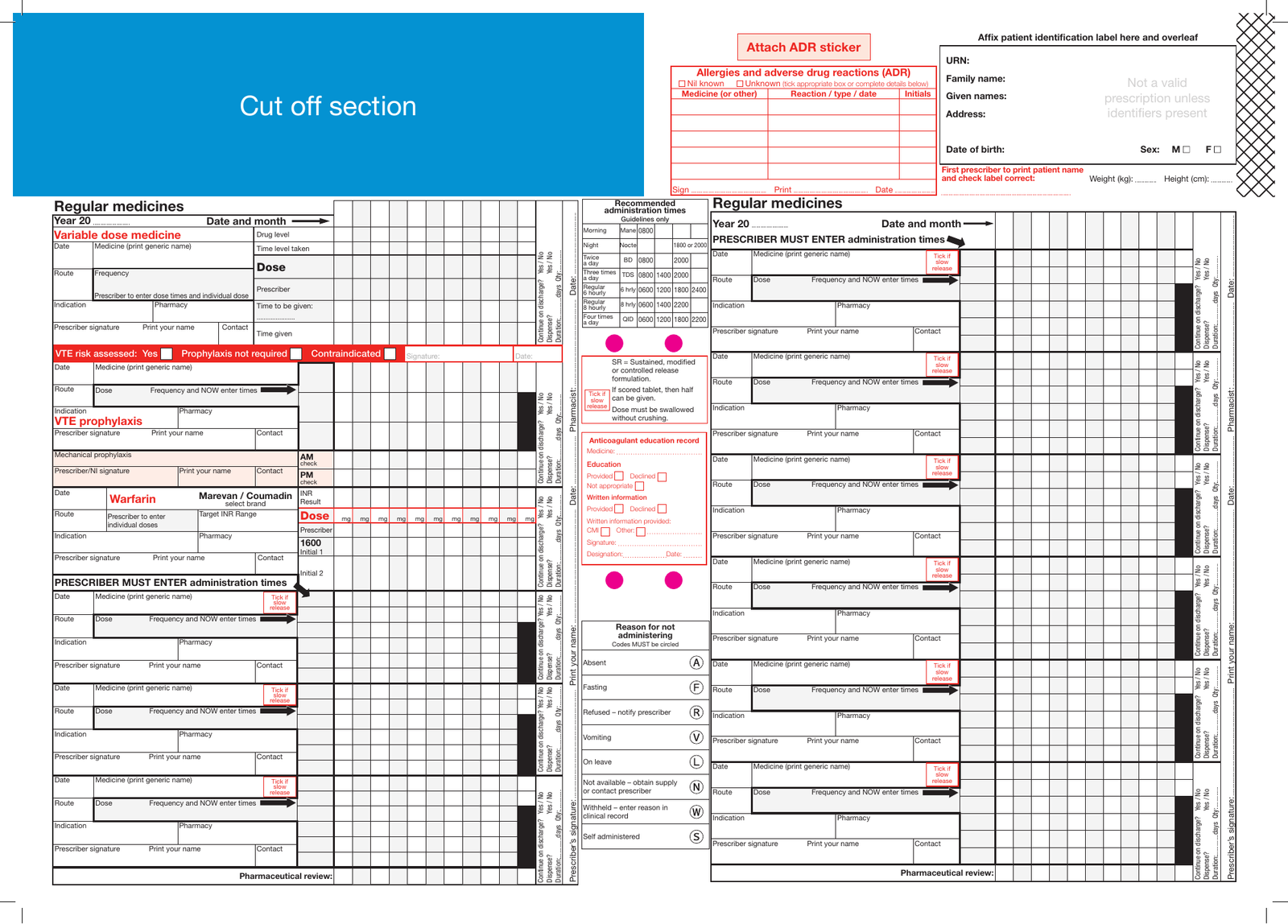
National Inpatient Medication Chart used for guided charting practice
Focused clinical skills

Medication Charting Essentials

6 lessonsAround 90 minutesKnowledge check

Guided practice for Australian inpatient medication-charting workflows, including patient identification, allergies, common order types, chart review and common safety traps.

Read and check the chart before writing an order.
Practise common order types using fictional teaching cases.
Spot omissions and know when to stop, clarify and escalate.
View course
Department readiness

Know what to expect before the rotation starts.

Each short course will feel like a guided virtual orientation: the patients you are likely to meet, the notes you will write, the investigations and procedures you should recognise, and the moments when a safe doctor asks for help.

The same safe-shift map in every specialty

  1. 01Before the shift
  2. 02Common presentations
  3. 03Focused assessment
  4. 04Investigations & notes
  5. 05Core procedures
  6. 06Consult & escalate
Doctors preparing together in a hospital emergency resuscitation bay
01

Emergency department readiness for IMGs

Emergency Medicine

Prepare for the pace, priorities and communication patterns of an Australian emergency shift.

Triage, red flags and common presentations
Focused history, examination and initial investigations
Safe discharge, referral and escalation
Medical team reviewing a ward-round plan together
02

Medical ward readiness for IMGs

General Medicine

Prepare to coordinate complex patient care across ward rounds, daily reviews, after-hours calls and safe transitions.

Ward rounds, prioritisation and task ownership
Complex assessment, prescribing and deterioration
Multidisciplinary care, handover and discharge
Surgical team preparing an operating theatre before a procedure
03

Surgical practice readiness for IMGs

Surgery

Understand the junior doctor workflow around surgical wards, peri-operative care and urgent reviews.

Pre-operative and post-operative priorities
Common ward calls, complications and escalation
Procedure preparation and surgical logbook habits
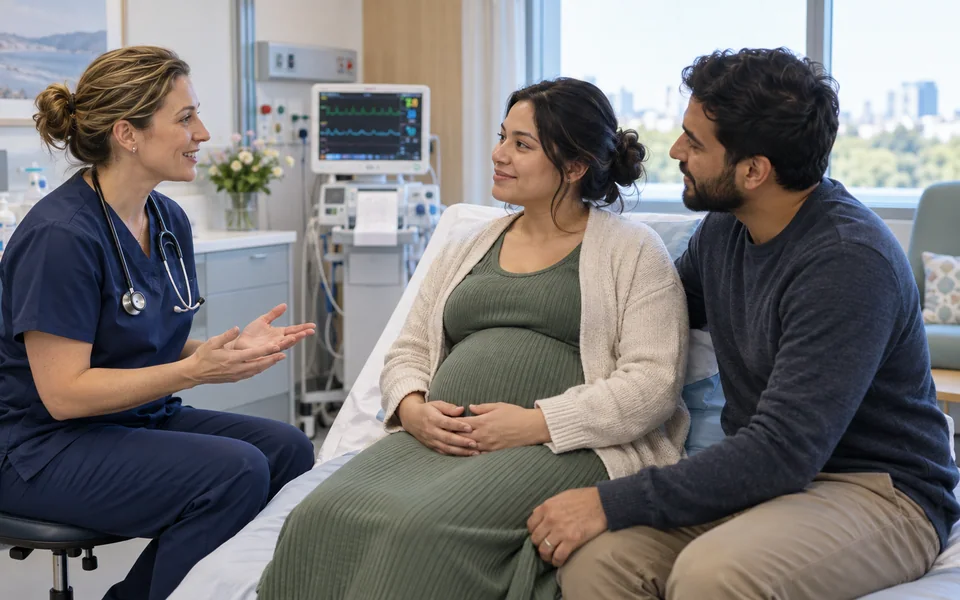
Doctor speaking with a pregnant patient and support person in a maternity room
04

O&G practice readiness for IMGs

Obstetrics & Gynaecology

Build a safe orientation to assessment, communication and escalation in maternity and gynaecology settings.

Focused and sensitive history-taking
Time-critical presentations and early escalation
Consent, documentation and team communication
Doctor speaking with a child and parent in a paediatric assessment room
05

Paediatric practice readiness for IMGs

Paediatrics

Prepare for age-specific assessment, family communication and the early recognition of a deteriorating child.

Age-appropriate history and examination
Weight-based safety and common presentations
Family communication, safeguarding and escalation

Orientation for safer supervised practice.

These courses support revision and transition. They do not replace local induction, clinical supervision, credentialing, hospital policy or advice from the treating team.

Australian contextGuideline-ledEscalation firstMedication safety